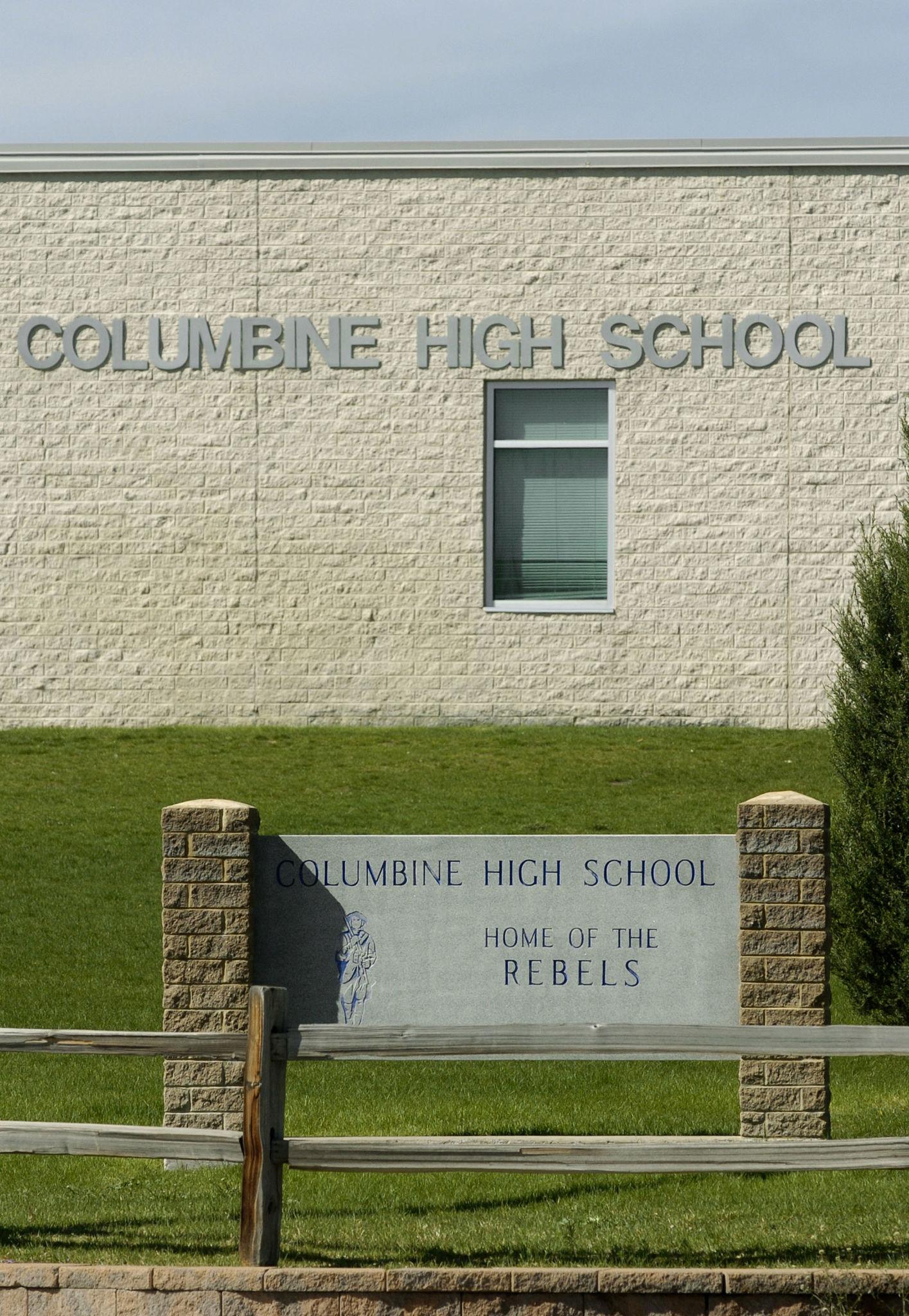
On April 20, 1999, a quiet suburban community just south of Denver became the center of a national reckoning. The mass shooting at Columbine High School shattered assumptions about safety in schools and left a lasting mark on American culture, media, and policy debates.
Almost 30 years later, Columbine is still referenced whenever mass violence is discussed. Yet the story is often flattened into myths that obscure both the warning signs that existed and the lessons that remain unresolved.
What Happened
That morning, a violent attack unfolded inside and around the school. Twelve students and one teacher were killed; many others were injured. The event ended with the attackers’ deaths by suicide. In 2025, a student who had been paralyzed in the shooting, Anne Marie Hochhalter, died from medical complications linked to her injuries; her death was ruled a homicide, raising the official number of victims to 14, in addition to the two perpetrators. News coverage was immediate and relentless, featuring scenes of students fleeing the building and parents anxiously waiting for news of their children.
For many Americans, Columbine was the first school shooting they experienced in real time through wall‑to‑wall national coverage. The shock wasn’t only the scale of the tragedy; it was the setting. A typical public high school in a middle-class community did not fit the nation’s mental image of where such violence “belonged.”
Media, Myths, and Misunderstandings
In the aftermath, narratives formed quickly. Early reporting emphasized bullying, cliques, and subcultures, often oversimplifying complex realities. Over time, investigations and journalism challenged those initial stories, revealing how easily trauma, fear, and the rush to explain the unexplainable can produce myths.
Myth: Columbine was caused by bullying alone.
While bullying existed—as it does in many schools—official investigations found that it does not fully explain the attackers’ actions. Reducing the motive to a single cause obscures more complex risk factors.
Myth: The shooters were social outcasts.
Records and witness accounts show that both perpetrators had social connections. The “loner” narrative persists largely because it offers a false sense of predictability.
Myth: This was impossible to foresee.
In reality, multiple warning signs were documented prior to the attack, including violent writings, online threats, and concerning behavior reported to authorities.
Columbine became a cautionary tale about media coverage itself: how repetition can unintentionally amplify perpetrators, how speculation can harden into “facts,” and how the notoriety of violence can overshadow victims’ lives.
Warning Signs and Missed Interventions
One of the most troubling aspects of Columbine is the evidence that opportunities for intervention existed. Harris had been reported to law enforcement for making violent threats online. Both perpetrators produced writings and videos expressing rage, fascination with violence, and a desire for notoriety.
These indicators raise enduring questions about information-sharing, threat assessment, and the threshold at which intervention occurs. Columbine demonstrated that “leakage”—the communication of violent intent before an attack—is real, and often overlooked.
Media Coverage and Its Impact
Columbine fundamentally changed how mass violence is reported. The saturation coverage that followed inadvertently amplified the attackers’ names and images, contributing to a copycat effect later identified by researchers.
Today, many journalists and advocates argue for a shift toward No Notoriety principles. How stories are told can either reduce harm or perpetuate it.
Media Coverage & the Cost of Repetition
Media • Ethics • Public ImpactColumbine exposed how media practices can unintentionally contribute to harm. Continuous replay of perpetrators’ names, images, and personal histories can elevate notoriety and eclipse victims’ lives. Over time, researchers began to document a copycat effect in mass violence, where extensive coverage may influence later perpetrators seeking recognition.
In response, journalists and advocates have pushed for more responsible reporting standards. The No Notoriety approach encourages minimizing focus on perpetrators while emphasizing victims, community resilience, and verified information. It also urges caution with speculative motive narratives, which can harden into “facts” long after they’ve been challenged.
Why it matters: How violence is reported shapes public understanding, influences policy debates, and can affect future harm. Columbine remains a pivotal example of why ethical storytelling is not just a journalistic concern, but a public-safety one.
What the Investigations Found
In the years following Columbine, multiple official investigations sought to clarify what had happened and how early narratives had formed so quickly—and often inaccurately. These reviews challenged the simplified explanations that dominated initial coverage and revealed a more complex picture of planning, grievance, and institutional failure.
Investigators documented extensive pre-attack preparation, including written materials and recordings that contradicted the idea of a spontaneous act driven solely by peer mistreatment. They also identified breakdowns in information sharing and follow-through, particularly regarding prior reports made to law enforcement. While no single factor could explain the violence, the findings underscored how early assumptions hardened into public “truths” long before evidence was fully examined.
At the same time, these investigations acknowledged their own limits. Some records remained sealed, and hindsight inevitably shaped interpretation. What emerged was not a clean narrative, but a cautionary example of how complex acts of violence resist simple explanation—and how premature conclusions can distort both public understanding and prevention efforts.
Cultural and Policy Impact
Columbine prompted far‑reaching changes in school security practices, emergency response protocols, and threat‑assessment models: lockdown drills became routine, police adopted ‘immediate action rapid deployment’ tactics for active shooters, and many districts created multidisciplinary school‑based threat‑assessment teams and anonymous reporting tiplines. Yet it did not produce comprehensive national reform on firearm access, mental health infrastructure, or coordinated prevention strategies. Most of the major changes that followed happened gradually at the state and local level, and often only after later tragedies.
The case remains a reference point in debates over:
- School-based threat assessment teams
- Information sharing between schools and law enforcement
- Responsible media practices
- Community-based violence prevention
Progress has been uneven, and many of the systemic gaps identified in 1999 still exist today.
Remembering the Victims
Discussions of Columbine have often focused on the perpetrators, the myths surrounding them, or the broader cultural impact of the attack. In doing so, the individuals who lost their lives—and those forever altered by surviving—are too often reduced to background figures in their own story.
Remembering the Victims
Lives Lost • Honor & RemembranceThe photographs below honor the 13 individuals killed at Columbine High School on April 20, 1999.


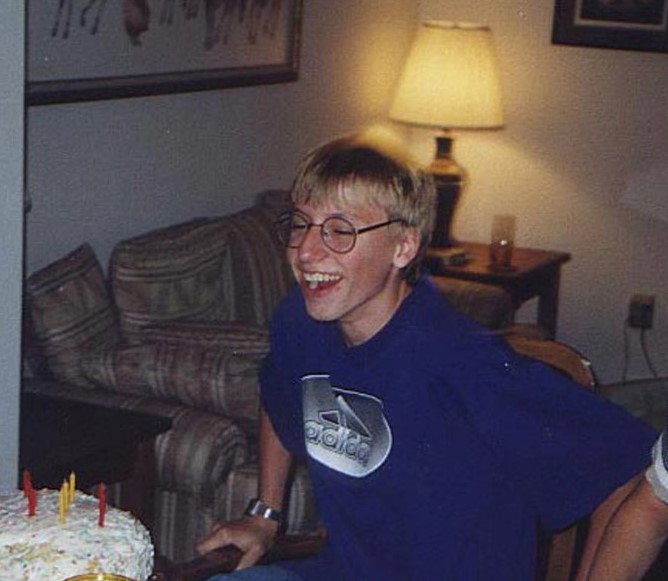


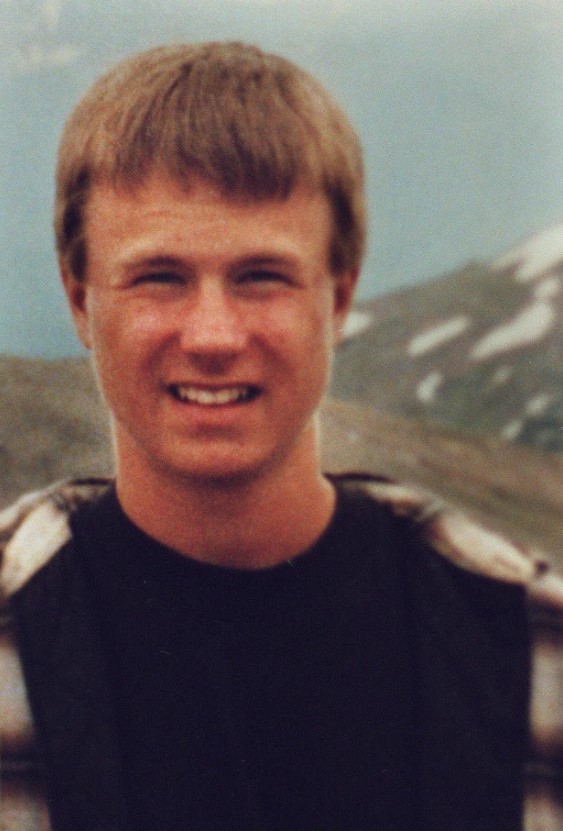


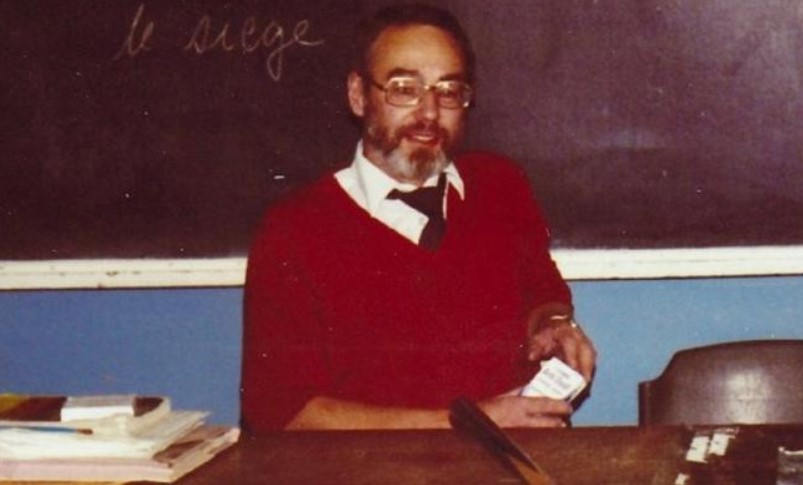
Those who were killed were not symbols or case studies; they were people with families, friendships, and futures that were abruptly taken from them. Survivors, first responders, and loved ones have carried the consequences of that day for decades, navigating grief, trauma, and public scrutiny in ways rarely acknowledged in national conversations.
Centering victims means resisting narratives that frame violence as inevitable or explanatory. It means remembering that the true cost of mass violence is measured not in headlines or policy debates, but in lives interrupted and communities permanently changed.
What Often Gets Left Out
One of the enduring challenges in discussing Columbine is the tendency to search for certainty after the fact. With hindsight, warning signs can appear obvious, and prevention can seem straightforward. In reality, recognizing risk in real time is far more complicated, shaped by institutional constraints, incomplete information, and human hesitation.
What is often left out of the conversation is the role of systems rather than individuals. Schools, law enforcement agencies, media organizations, and communities all operate within structures that influence how warning signs are interpreted—or ignored. Focusing narrowly on individual blame can obscure the broader conditions that allow risk to go unaddressed.
Why Columbine Still Matters
Columbine is often referenced not because it was the first school shooting, but because it changed the way the nation talks about them. It marked a turning point in public awareness—and a reminder that preventing violence requires patience, nuance, and sustained attention to warning signs, community support, and responsible storytelling.
Remembering Columbine isn’t about reliving horror. It’s about honoring victims, challenging easy narratives, and committing—again and again—to the hard work of prevention.
Understanding Columbine requires resisting the urge for easy answers and accepting that prevention is ongoing work—shaped by evidence, ethics, and an enduring responsibility to those most affected.
References
Federal Bureau of Investigation. (2019). Columbine High School. FBI. https://vault.fbi.gov/Columbine%20High%20School%20
Hong, J., Cho, H., Allen-Meares, P., & Espelage, D. L. (2011). The social ecology of the Columbine High School shootings. Children and Youth Services Review, 33(6), 861–868. https://doi.org/10.1016/j.childyouth.2010.12.005
Jefferson County Sheriff’s Office. (2013). Columbine investigation records: Finding aid. https://www.jeffco.us/
Long, C. (2019). A Secret Service study explores school-shooter warning signs. PBS News. https://www.pbs.org/newshour/nation/secret-service-study-explores-school-shooter-warning-signs?utm_source=chatgpt.com
U.S. Department of Justice. (2001). Report of Governor Bill Owens’ Columbine review commission. Ojp.gov. https://www.ojp.gov/ncjrs/virtual-library/abstracts/report-governor-bill-owens-columbine-review-commission?utm_source=chatgpt.com
Leave a Reply